




Latest News
Also see our latest print newsletter
Upcoming Events
- December 10 @ 7:00 pm - 8:00 pm
Return to Sky
Winter Speaker Series Return to the Sky Tina Morris, Ornithologist, Wildlife Biologist & Author Wednesday, December 10, 2025 at 7:00 pm Register for Zoom Presentation Tina Morris Tina Morris, raised…
- February 11, 2026 @ 7:00 pm - 8:00 pm
Quiet Communities
Winter Speaker Series 2025-2026 Zoom Speaker Series Quiet Communities Jamie Banks, Founder & President, Quiet Communities Wednesday, February 11, 2026 at 7:00 pm Register for Zoom Presentation Jamie Banks Jamie…
- March 11, 2026 @ 7:00 pm - 8:00 pm
SLIME ME
Winter Speaker Series 2025-2026 Zoom Speaker Series SLIME ME Karen Coluzzi, Entomologist & State Survey Coordinator, Maine Dept. of Agriculture, Conservation & Forestry Wednesday, March 11, 2026 at 7:00 pm…
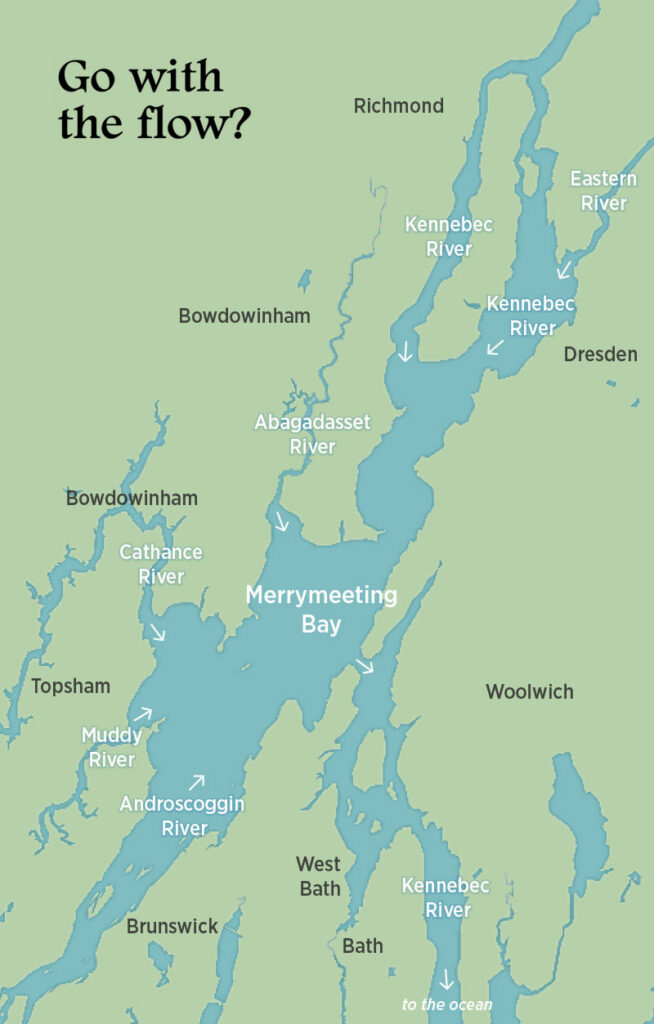
The six rivers flow into the Bay then down to the ocean via the Kennebec, but it’s actually not that simple. Because these rivers are tidal—the Kennebec north to Augusta—the freshwater flowing downriver backs up against the incoming tide; boats on moorings can even swing in the opposite direction of the flow arrows seen here.
Learn more: Merrymeeting Bay geography, communiy and maps
What’s Remarkable About Merrymeeting Bay?
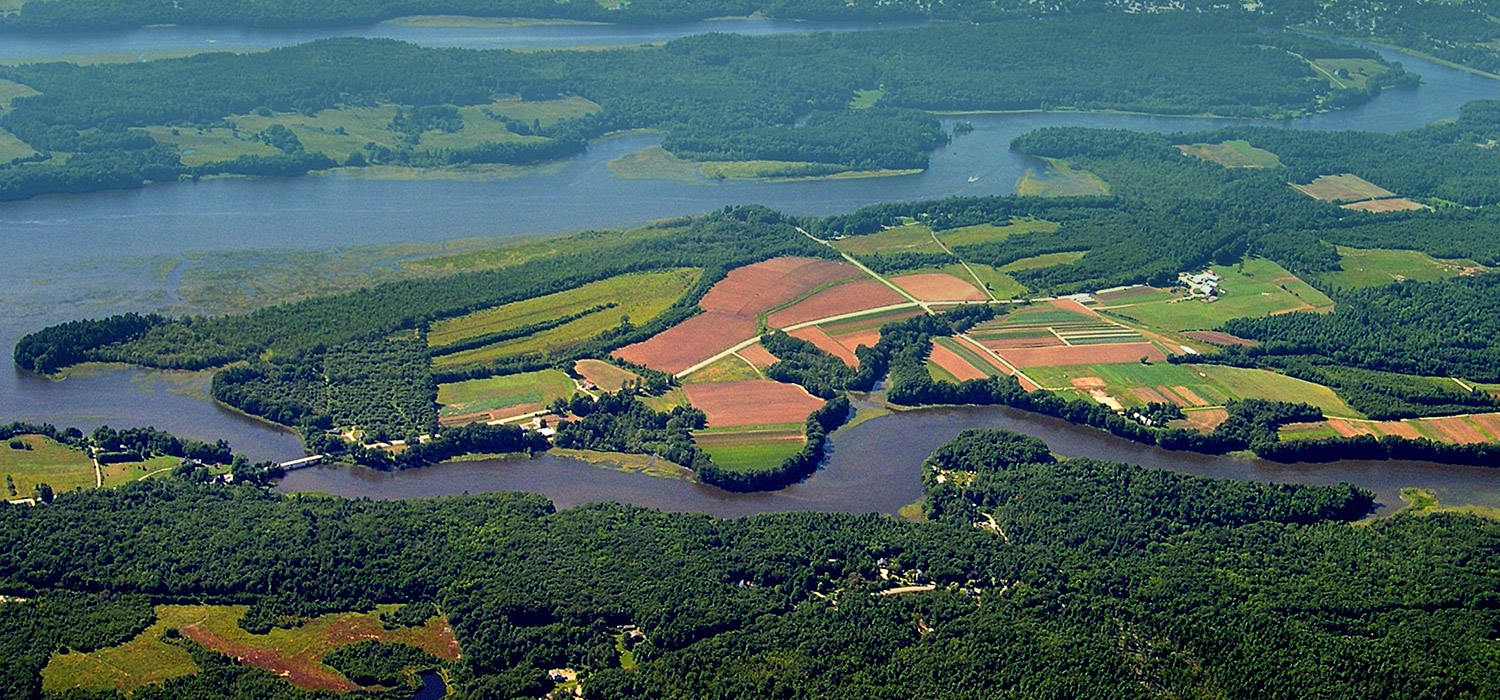
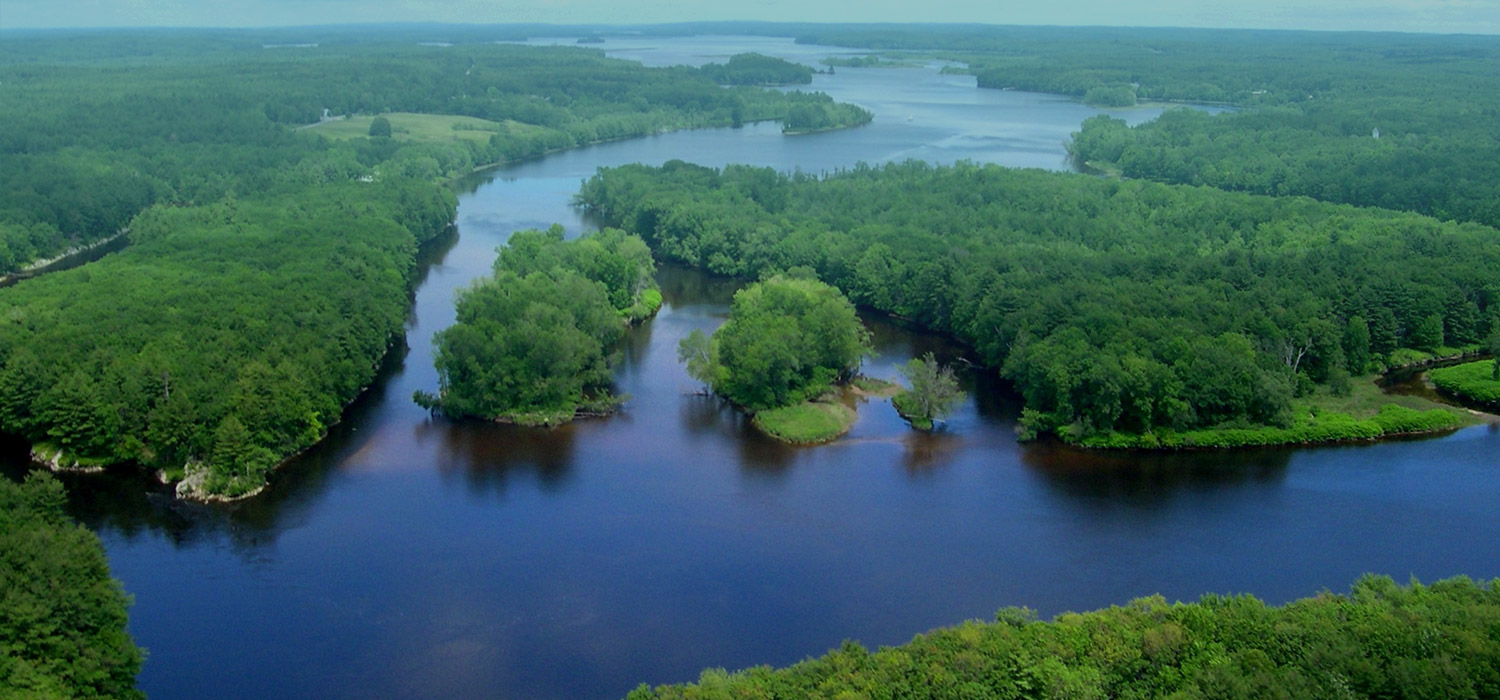
Formed by the confluence of six rivers—including the Kennebec and Androscoggin—Merrymeeting Bay is the largest freshwater estuary system north of Chesapeake Bay; it drains an astounding 38% of Maine’s fresh water. Biologically, the Bay is classified freshwater tidal riverine and geologically, an inland delta.
Merrymeeting Bay is a resource of international significance: it is the largest staging ground for migratory waterfowl in the northeast, it is the only estuary providing spawning and nursery habitat for all diadromous fish species in the Gulf of Maine, and it is home to a number of rare and endangered plant and animal species including Parker’s pipewort, stiff arrowhead, shortnosed sturgeon, Atlantic salmon and a recovering bald eagle population—the second largest in Maine.
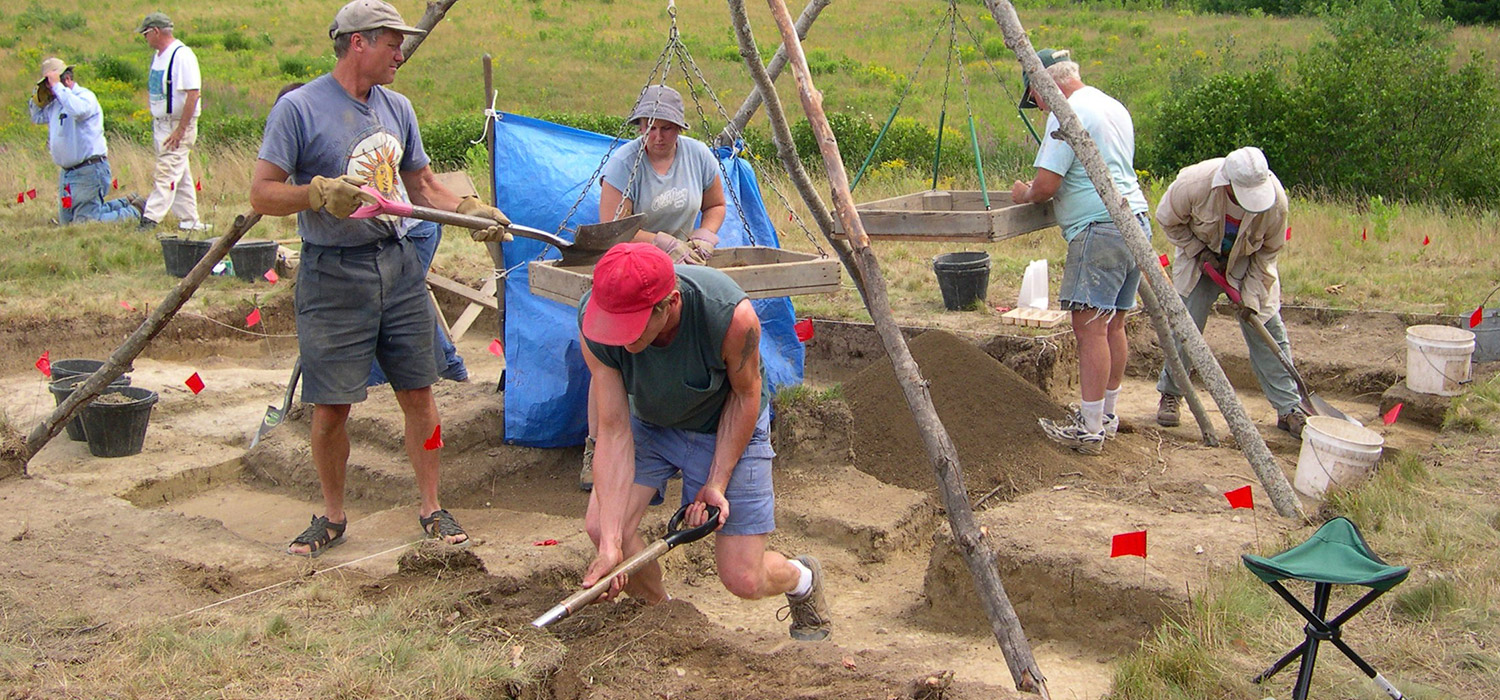
The Bay also represented a divide between the Native American Susquehanna agrarian culture to the south and west, and the somewhat earlier “red paint people,” hunters and gatherers to the east.
Fair Use Notice: This website may reproduce or have links to copyrighted material the use of which has not been expressly authorized by the copyright owner. We make such material available, without profit, as part of our efforts to advance educational and transformative understanding of environmental, economic, historical, legal, artistic, scientific, and related issues, generally through such illustrative means as criticism, comment, news reporting, scholarship and or research. It is our understanding that this constitutes a “fair use” of any such copyrighted material as provided by law. If you wish to use copyrighted material from this site for purposes that go beyond “fair use,” you must obtain permission from the copyright owner.